Houston Conference | Call for Papers

Yeats’s Locations

The 2026 Conference of the International Yeats Society

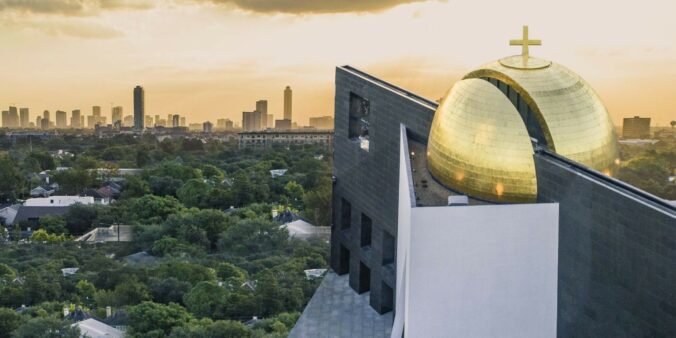
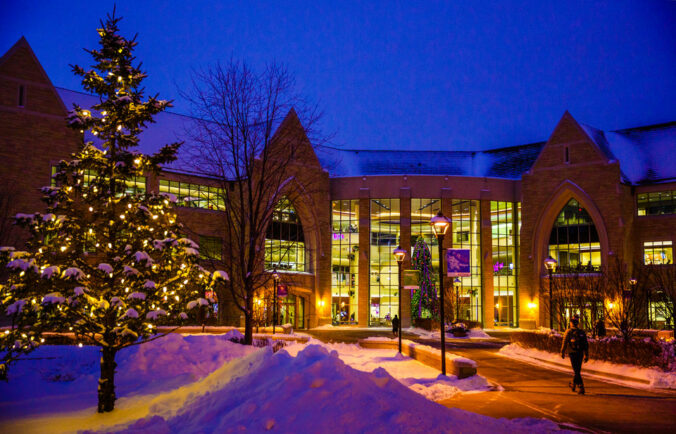
3 December to 5 December | The University of St. Thomas, Houston

Call for Papers

During his 1920 tour of the US, Yeats gave a lecture on “Friends of my Youth” at Baylor University in Waco, Texas, where he was billed, along with former US President William Howard Taft, as one of the “First Big Guns of the Baylor Diamond Jubilee.” The invitation suggested that Yeats would appeal to anyone keen on “world affairs,” while the student newspaper, The Lariat, promised that this lecture by “the foremost English man of letters now living” would mark “a great day in Baylor history.” The event, however, elicited mixed reviews, with Yeats’s autobiographical reminiscences about the 1890s “tragic generation,” appearing, in the estimation of the local press, “to pass over the heads of most of the audience.” The pre-event hype points explicitly to the varied and often contradictory ways that global audiences located Yeats in place, here as an “English” writer trafficking in “world affairs,” and it points implicitly to how Yeats’s self-presentations of identity and heritage were always changing relative to his actual and imagined audiences. 

The reference to “history” reminds us of Yeats’s ongoing attempts to locate his personal life within and relative to broader historical metanarratives, including for example Ireland’s national history or modernity writ large, and it calls to mind the literary history of Yeats Studies, where important new readings are frequently based on locating Yeats within new contexts, such as the postcolonial, the global, and the oceanic. Finally, Yeats’s retrospective regrets about a lecture that was, itself, a retrospective account of the friends of his youth highlights the complex temporal signatures which persist throughout his writings—his (sometimes strategic) reimaginings of Irish heritage, of historical figures, and of prior eras, his thoroughgoing sense of belatedness, his fascination with moments when a present “self” reckons with a past “self,” and his reliance on autobiographical speakers who gesture toward a future-present of “coming times” when his efforts might be properly understood or might be subject to further misrecognitions. 

“Yeats’s Locations” welcomes papers and panels on all Yeats-related topics, but we are especially interested in those that explore Yeats’s locations in place, history, and time. Topics might include:

    • Yeats’s American lecture tours.

    • Explorations of how Yeats’s contemporaries understood his identity relative to nationhood, heritage, literary eras and cultural movements, religion, or social class.

    • Yeats’s self-presentation for different audiences and / or in different genres (e.g., poetry, drama, autobiography, folklore, criticism, occult writings).

    • Yeats’s historical sensibility, responses to historiography, and productions of history in his writings.  

    • Reception history and perspectives that respond to, build upon, or introduce new contexts for “locating” and analyzing Yeats’s works. 

    • Time and temporality in Yeats’s writings, including how he locates speakers relative to human and / or otherworldly temporalities, as well as the aesthetic effects he generates by combining multiple temporalities in his works. 

Keynote lectures will be given by Dr. Richard Russell of Baylor University and Dr. Julie McCormick Weng of Texas State University. 

The organizers invite proposals of no more than 250 words for twenty-minute papers, three-paper panels, or discussion roundtables on the topic of “Yeats’s Locations.” In keeping with the International Yeats Society’s general practice, proposals are invited on other aspects of Yeats’s work as well. Please also include a brief biographical sketch of up to 50 words for each speaker. Proposals should be emailed to irishstudies@stthom.edu with the subject line “IYS Proposal.” The deadline for early acceptance is June 30th. The final deadline is September 30th.

We offer a limited number of graduate student bursaries to assist those who could not otherwise afford to attend. These funds are awarded following the deadline for submission. Bursary applications should be submitted via this form:

Bursary Application Form – Fill out form

Accommodations

We have secured special discount accommodation rates at the following hotels.

DoubleTree by Hilton Hotel Houston, Greenway Plaza

Booking Link

Rate: $129/night

Reservation Deadline: November 12

Distance: 3 miles from campus (shuttle transport provided)

Hotel Zaza, Museum District

Booking Link

Discount Code: UST745

Rate: $199/night

Reservation Deadline: November 3

Distance: 1 mile from campus

Hotel St. Augustine

Booking Link

Discount Code: 1040614

Rate: $252/night

Distance: 0.3 miles from campus
Deadline Extension: Proposals for the 2026 International Yeats Society Conference are now due on September 30th

The submission deadline for proposals to the 2026 International Yeats Society conference at The University of St. Thomas, Houston has been extended to September 30th. The conference takes place from December 3 to December 5, 2026.

The organizers invite proposals of no more than 250 words for twenty-minute papers, three-paper panels, or discussion roundtables on the topic of “Yeats’s Locations.” In keeping with the International Yeats Society’s general practice, proposals are invited on other aspects of Yeats’s work as well. Please also include a brief biographical sketch of up to 50 words for each speaker. Proposals should be emailed to irishstudies@stthom.edu with the subject line “IYS Proposal.” The final deadline is September 30th.

We offer a limited number of graduate student bursaries to assist those who could not otherwise afford to attend. These funds are awarded following the deadline for submission. Bursary applications should be submitted via this form:

Bursary Application Form – Fill out form

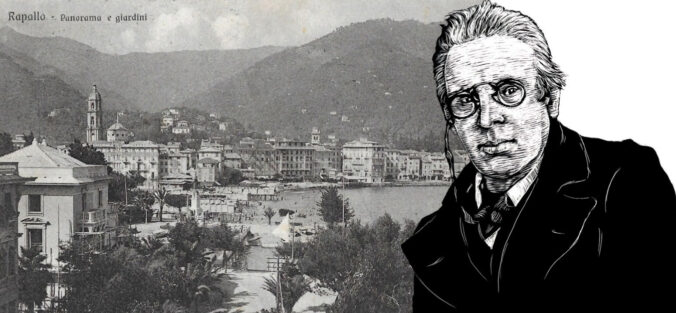
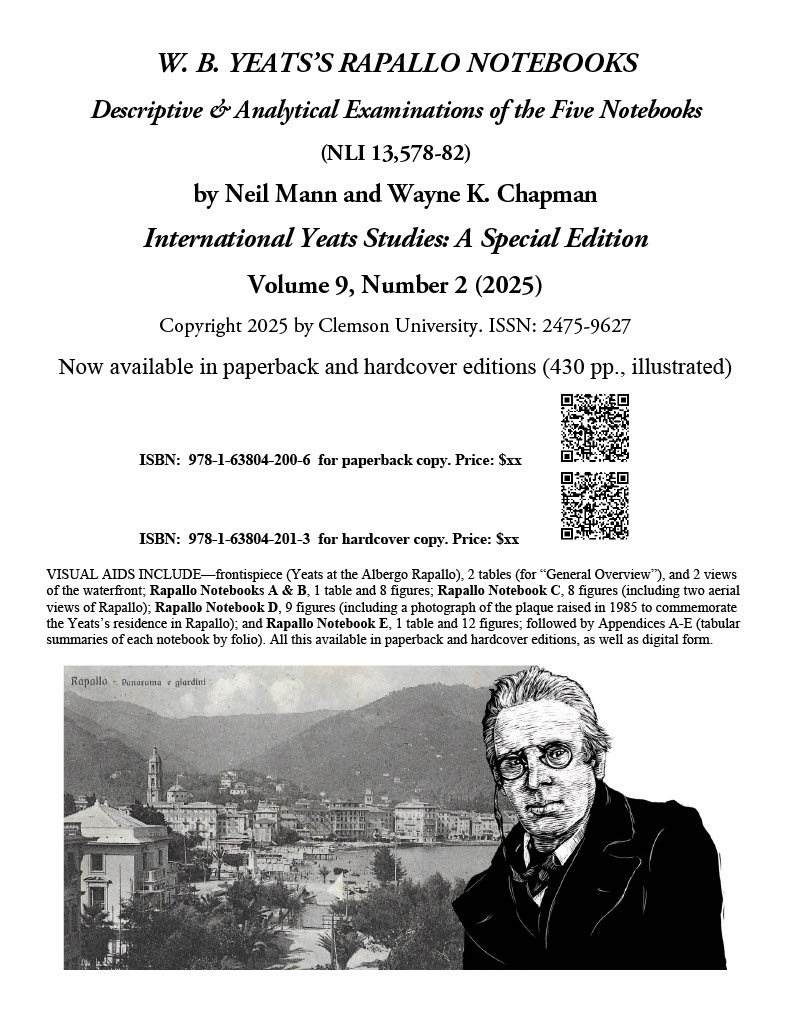
Now available for purchase: W. B. Yeats’s Rapallo Notebooks – hardcover and paperback editions

The International Yeats Society is excited to announce the hardcover and paperback publication of W. B. Yeats’s Rapallo Notebooks, a special issue of International Yeats Studies, by Wayne Chapman and Neil Mann. 

Please see the flier below for purchasing information. If you are affiliated with a university, please consider asking your library to order a copy.

This special issue is also available digitally (as always, open access) on the journal’s website.

Now available for pre-order: W. B. Yeats’s Rapallo Notebooks (IYS 9.2, 2025)

Now available for pre-order is the print edition of International Yeats Studies’s issue on W. B. Yeats’s Rapallo Notebooks (IYS 9.2, 2025).

This special edition guides readers through the landscapes of the Rapallo Notebooks, regarding the texts both as significant artifacts and reflections of Yeats’s creative process.

For more details, see the flier below. Additional information coming soon!

The 2025 Conference of the International Yeats Society: Programme Announcement

The provisional programme for the International Yeats Society 2025 conference is now available to view on our website, as well as information on registering for the conference: 
 
 
Please register before 16 October to avail of the lower rate and also to book for the conference dinner. Also note that those presenting at the conference need to be members of the International Yeats Society.


Dublin Conference | Second Call for Papers

W. B. YEATS: DUBLINER

The 2025 Conference of the International Yeats Society
30 October to 1 November | Trinity College Dublin

SECOND CALL FOR PAPERS Reviewing Lady Wilde’s Ancient Cures, Charms, and Usages of Ireland in 1890, W. B. Yeats
bemoaned that ‘around and northward of Dublin no small amount of gloom has blown from overseas’. Just outside the city in Howth, however, he noted that ‘the old life goes on but little changed’; the hospital patients of Sir William Wilde, drawn to Dublin from across Ireland, had also offered a rich source of folklore now being ‘quarried’ in his widow’s latest book. This review captures something of the complexity of the city’s culture, as well as its close yet fraught relationship with the rest of the country. Such complexity and contestation has been an under-regarded aspect of scholarly writing on Yeats’s work.

At different points in his life, the poet resided in many parts of Dublin and its environs. Significant parts of his education took place in the city. He was also formed by and an inveterate shaper of many of its cultural organisations and institutions. Important too was Dublin’s then vibrant and distinctive salon culture. A site of many close friendships and collaborations, the city was for periods the location of his father’s and brother’s studios, and his sisters’ Arts and Crafts enterprises. Through Dun Emer and Cuala, Yeats also had direct involvement in the local publishing of his and others’ writings. Furthermore, the city is a setting for many of his works – from the protagonist sat dreaming in a house in ‘the old parts of Dublin’ in the 1896 short story ‘Rosa Alchemica’ to the recollections of encounters on its streets that open ‘Easter 1916’. Whatever his stated antipathy to the city and its environs, including as a site of British-influenced urban modernity, the poet was very much a Dubliner.

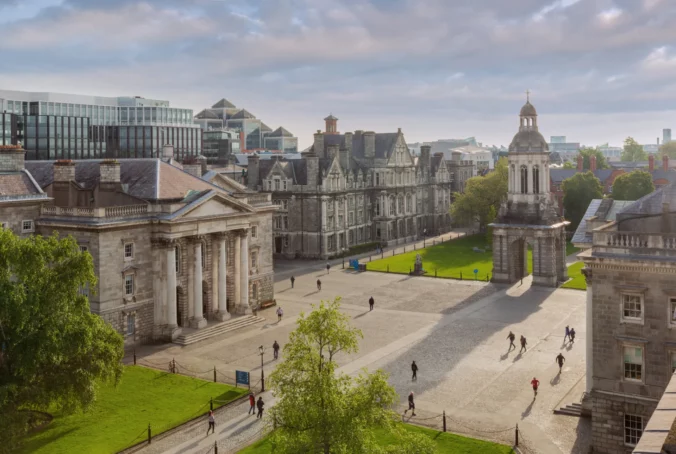
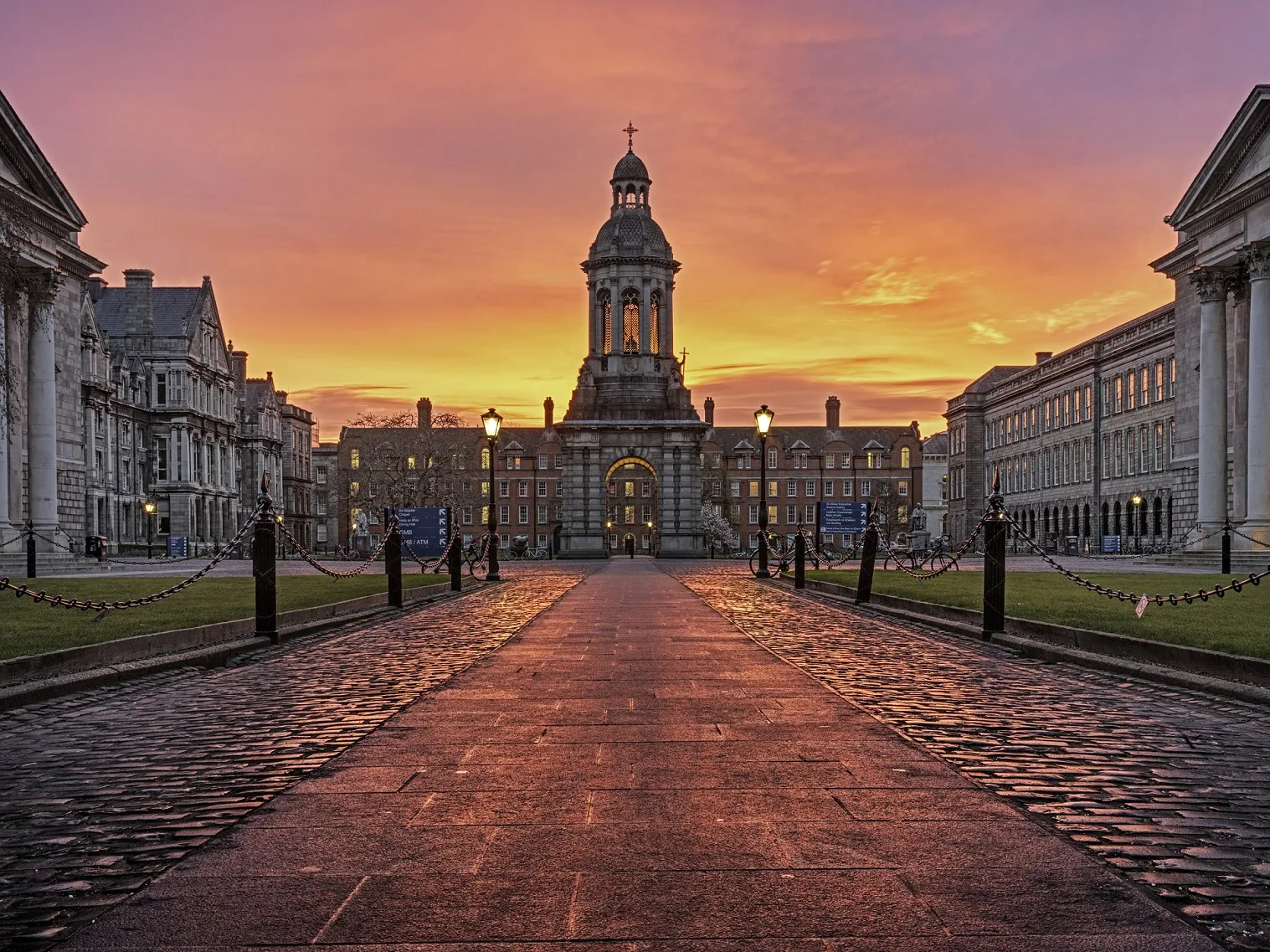
Taking place in the heart of the city at Trinity College – an institution the poet condemned in 1892 for having ‘shut itself off from every kind of ardour, from every kind of fiery and exultant life’ – this conference offers an opportunity to reflect on Yeats’s working life in Dublin, and the place of the city and its cultures in his work. Confirmed keynote lecturers include P.J. Mathews (University College Dublin) and Emilie Morin (University of York). Featured events will also include a workshop on teaching Yeats’s drama and a poetry reading featuring some of Dublin’s finest contemporary poets.

The organisers invite proposals for twenty-minute papers, three-paper panels or discussion roundtables on the topic of ‘W. B. Yeats: Dubliner’. Approaches could include but are not limited to considerations Yeats’s work and career in relation to:

  • Education and childhood
  • Institutions, networks, friendships, families
  • Collaborations with other writers and artists
  • In connection and comparison to other Dublin writers
  • Treatments of the urban, including its interconnections with the rural
  • British administration and empire
  • Rebellion and political change
  • Establishment of the Irish Free State and Yeats’s years in the Senate
  • Dublin’s theatrical culture
  • Comparative and transnational approaches in relationship to other spaces and places.
  • In keeping with the International Yeats Society’s general practice, proposals are very welcome on other aspects of Yeats’s work as well. Please send abstracts of no more than 250 words together with a brief biographical sketch of up to 50 words for each speaker

Proposals should be emailed to yeats2025@tcd.ie. The deadline for submission is 25 August.

“A Taste of the Yeats Summer School” at the W.B. Yeats Society of NY – Schedule and Registration

Come experience the spirit of the Yeats Summer School in Ireland at this all-day program at the W.B. Yeats Society of NY!

10:15 “Byzantium and Ireland” Prof. Rob Doggett (SUNY Geneseo) postulates that WBY’s “Sailing to Byzantium,” written when he was a senator in the new Irish Free State, aims to create a “unity of culture” for Ireland.

11:30 “Star to Star: a Musical Duet between Poets” In a recording we hear the words of WBY and his friend and fellow Nobel laureate Rabindranath Tagore, accompanied by music and still photos.

12:15 a light lunch.

1:30 “Quotable Yeats–the Foam and the Deep” Joseph Hassett talks about the many Yeats lines that not only capture a thought suitable for a particular life occasion but also open the door to deeper understanding of his poetry.

2:30 “Wandering Stars” A staged reading of a short play by Joseph Hassett that presents a revealing conversation between WBY and James Joyce.

3:30 Social and Summer School reunion, with wine, refreshments and conversation.

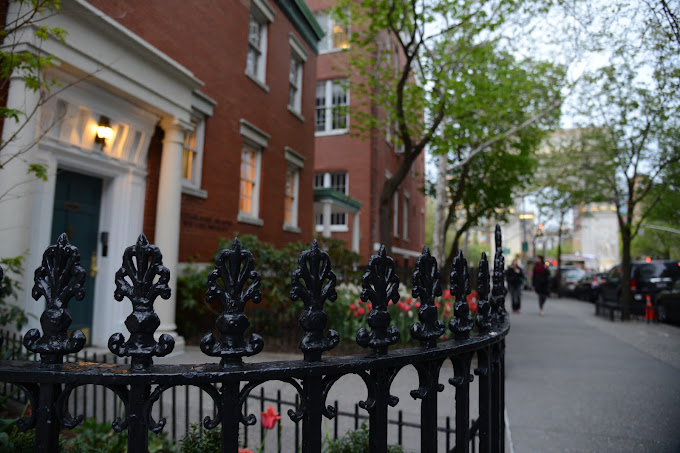
At NYU Glucksman Ireland House, 1 Washington Mews, on Fifth Avenue, half block south of 8th Street, just above Washington Square. ​

Make a reservation or find more information by following the link below:

https://www.yeatssociety.nyc/news-and-events

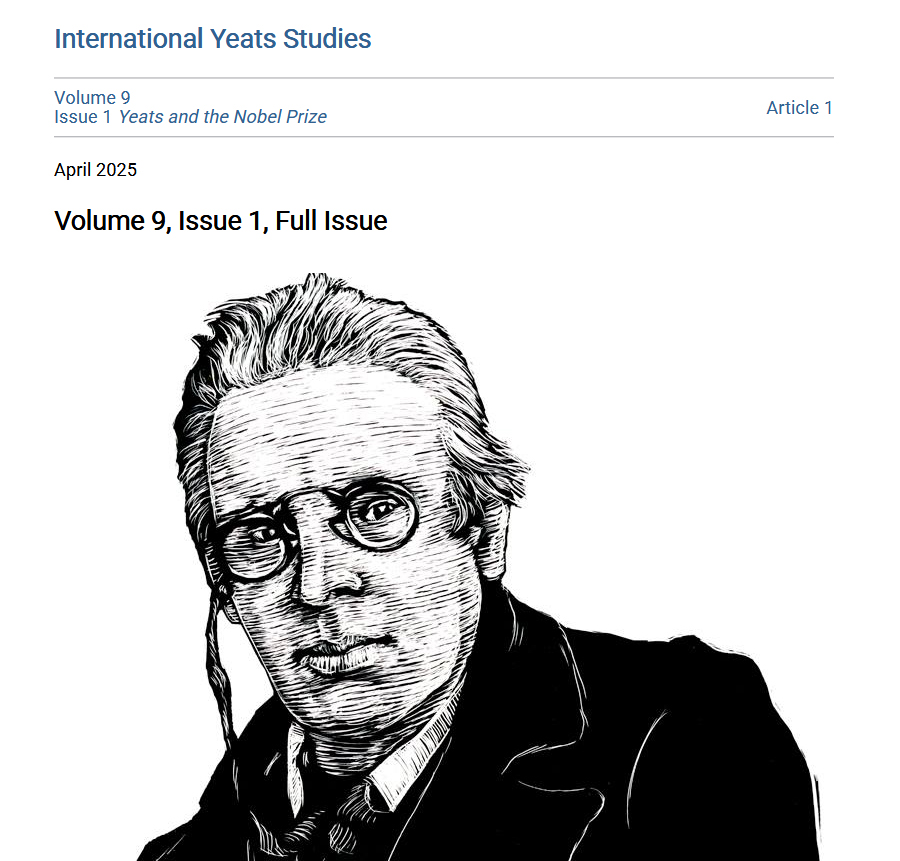
International Yeats Studies Issue 9.1 Now Available

The International Yeats Society is pleased to announce that issue 9.1 of the International Yeats Studies journal is now available!

The International Yeats Studies is committed to being an open access journal, which means that all of the costs for producing each issue come from our membership. If you are not currently a member of the International Yeats Society, consider joining today!

https://open.clemson.edu/iys/vol9/iss1/1


Dublin Conference | Call For Papers

W. B. YEATS: DUBLINER

The 2025 Conference of the International Yeats Society
30 October to 1 November | Trinity College Dublin

CALL FOR PAPERS
Reviewing Lady Wilde’s Ancient Cures, Charms, and Usages of Ireland in 1890, W. B. Yeats bemoaned that ‘around and northward of Dublin no small amount of gloom has blown from overseas’. Just outside the city in Howth, however, he noted that ‘the old life goes on but little changed’; the hospital patients of Sir William Wilde, drawn to Dublin from across Ireland, had also offered a rich source of folklore now being ‘quarried’ in his widow’s latest book. This review captures something of the complexity of the city’s culture, as well as its close yet fraught relationship with the rest of the country. Such complexity and contestation has been an under-regarded aspect of scholarly writing on Yeats’s work.

At different points in his life, the poet resided in many parts of Dublin and its environs. Significant parts of his education took place in the city. He was also formed by and an inveterate shaper of many of its cultural organisations and institutions. Important too was Dublin’s then vibrant and distinctive salon culture. A site of many close friendships and collaborations, the city was for periods the location of his father’s and brother’s studios, and his sisters’ Arts and Crafts enterprises. Through Dun Emer and Cuala, Yeats also had direct involvement in the local publishing of his and others’ writings. Furthermore, the city is a setting for many of his works – from the protagonist sat dreaming in a house in ‘the old parts of Dublin’ in the 1896 short story ‘Rosa Alchemica’ to the recollections of encounters on its streets that open ‘Easter 1916’. Whatever his stated antipathy to the city and its environs, including as a site of British-influenced urban modernity, the poet was very much a Dubliner.

Taking place in the heart of the city at Trinity College – an institution the poet condemned in 1892 for having ‘shut itself off from every kind of ardour, from every kind of fiery and exultant life’ – this conference offers an opportunity to reflect on Yeats’s working life in Dublin, and the place of the city and its cultures in his work. Confirmed keynote lecturers include Gregory Castle (Arizona State University) and Emilie Morin (University of York).


The organisers invite proposals of no more than 250 words for twenty-minute papers, three-paper panels or discussion roundtables on the topic of ‘W. B. Yeats: Dubliner’. In keeping with the International Yeats Society’s general practice, proposals are invited on other aspects of Yeats’s work as well. Please also include a brief biographical sketch of up to 50 words for each speaker.

Proposals should be emailed to yeats2025@tcd.ie. The deadline for submission is 16 June.


« Older posts